The Fentanyl Crisis and Teens: What Every Parent Needs to Know
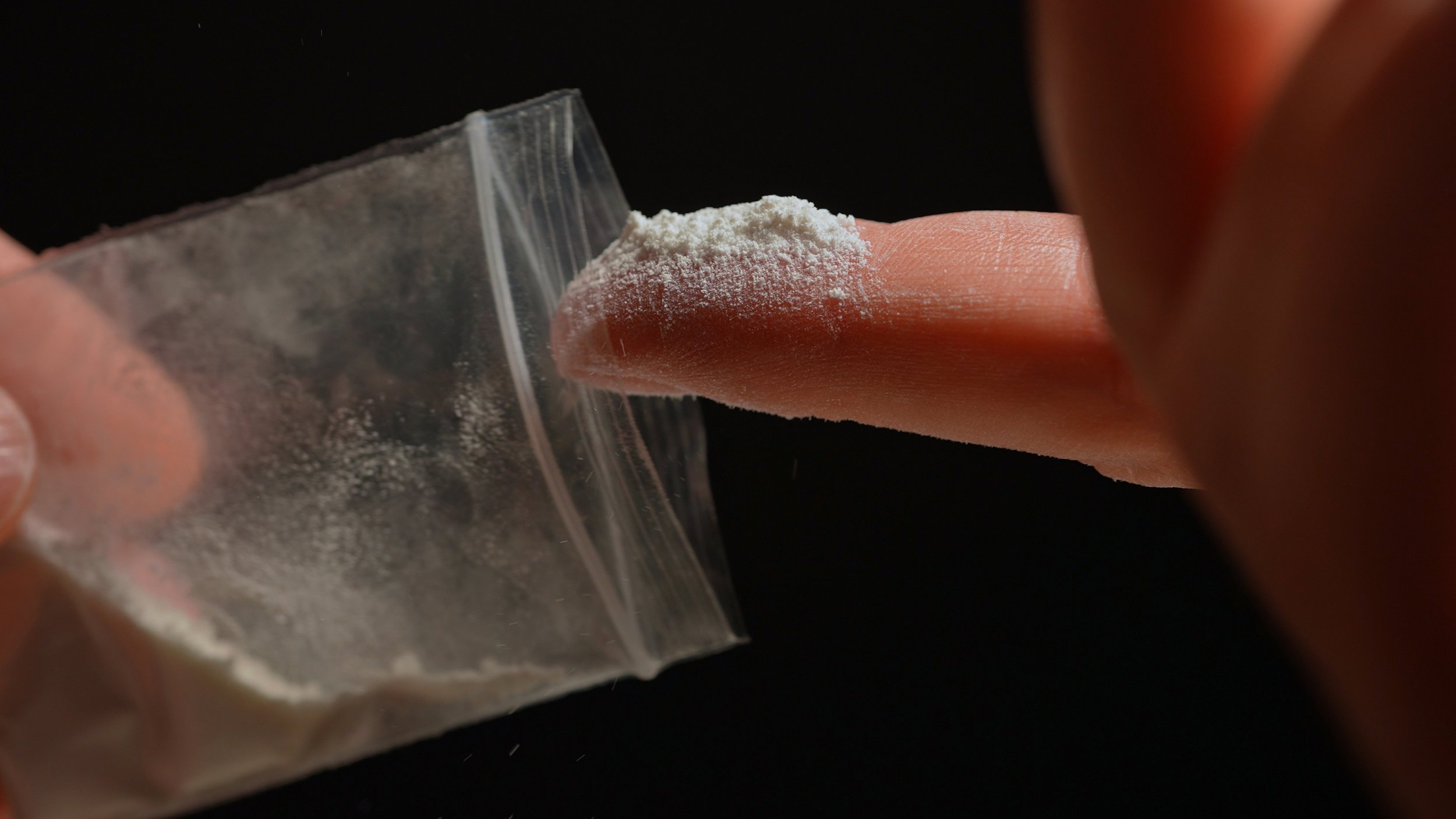
If you are a parent, guardian, or someone who cares about a teenager, there is one conversation you cannot afford to delay. Fentanyl—a synthetic opioid that is up to 100 times more potent than morphine—has fundamentally changed the landscape of adolescent drug use in the United States. It is no longer just a crisis affecting adults with long histories of substance use. Today, fentanyl is reaching teenagers through counterfeit pills that look identical to common prescription medications, often purchased with nothing more than a smartphone and a social media account.
The statistics are staggering. According to a 2024 report published in The New England Journal of Medicine, fentanyl is now involved in at least 75 percent of all adolescent overdose deaths in the United States. Drug overdoses and poisonings have become the third-leading cause of death among children and adolescents, behind only firearm-related injuries and motor vehicle crashes. And here is what makes this crisis uniquely devastating: these deaths are happening even as overall teen drug use is declining.
This is not a blog post designed to frighten you. It is designed to inform you, equip you, and ultimately empower you to have life-saving conversations with the young people you love.
Understanding the Threat: Why Fentanyl Is Different
Fentanyl is not a new drug. It has been used in clinical settings since the late 1960s, primarily for surgical anesthesia and the management of severe pain. What has changed is the widespread availability of illicitly manufactured fentanyl (IMF), which is now mass-produced in clandestine laboratories and pressed into counterfeit pills designed to look exactly like legitimate prescription medications.
According to the National Institute on Drug Abuse (NIDA), counterfeit pills are made to resemble prescription opioids like oxycodone (OxyContin, Percocet), anti-anxiety medications like alprazolam (Xanax), and even stimulant medications like amphetamines (Adderall). These pills often contain fentanyl in unpredictable and potentially lethal doses. The Drug Enforcement Administration (DEA) has found that approximately seven out of every ten counterfeit opioid pills seized contain a potentially deadly amount of fentanyl.
For teenagers, this reality is especially dangerous because many young people who encounter fentanyl do not know they are taking it. They believe they are purchasing a real pharmaceutical product. According to a study published in the journal Pediatrics, approximately 84 percent of overdose deaths among adolescents are categorized as unintentional. These are not teens who sought out fentanyl. They are teens who thought they were taking something else entirely.
The Numbers: What the Data Tells Us
Understanding the scope of this crisis requires looking at the data carefully. Between 2019 and 2021, drug overdose deaths among adolescents aged 14 to 18 increased by 128 percent, according to a resolution introduced in the 119th Congress supporting National Fentanyl Awareness Day. During that same period, overdose deaths specifically involving illicit fentanyl in the same age group rose by 236 percent—a rate of increase that was higher than any other five-year age group in the country.
Data from KFF (Kaiser Family Foundation) shows that fentanyl-related deaths as a share of all adolescent drug fatalities climbed from 32 percent in 2018 to 76 percent in 2023. In 2020, for the first time, the proportion of adolescent drug deaths involving fentanyl actually surpassed that of adults.
There is reason for cautious hope. According to NPR reporting from June 2025, federal data revealed a roughly 40 percent decline in teen overdose deaths in 2024, part of a broader national decrease in overdose fatalities. CDC provisional data released in March 2026 predicts approximately 71,542 drug overdose deaths for the 12 months ending in October 2025, representing a 17.1 percent decline compared to the prior year. Researchers attribute the improvement to multiple factors, including wider naloxone distribution, shifts in drug supply, increased treatment access, and a documented trend of reduced substance use among teens.
However, experts urge caution. Researchers at the University of North Carolina have identified at least one cohort of adolescents born between 2005 and 2011 who actually experienced a slight uptick in overdose deaths during the same period. The crisis is far from over, and every teen who experiments with an unverified pill remains at serious risk.
How Fentanyl Reaches Teens: The Role of Social Media and Counterfeit Pills
One of the most alarming aspects of the adolescent fentanyl crisis is how easily young people can access these pills. Gone are the days when drug transactions required face-to-face contact with a street dealer or navigation of the dark web. Today, teens can encounter drug dealers through platforms they use every day.
According to PBS NewsHour, the National Crime Prevention Council estimates that 80 percent of teen and young adult fentanyl poisoning deaths can be traced to some form of social media contact. Platforms like Snapchat, TikTok, and Instagram have all been scrutinized for their role in facilitating illegal drug sales. As a 2023 report from Colorado’s attorney general described, the availability of illicit substances through social media is staggering. Teens can now locate drug dealers using their smartphones with the relative ease of ordering food delivery.
The appeal of pills to teenagers is particularly troubling. Law enforcement investigators note that young people find pills attractive because they are inexpensive, carry less social stigma than drugs like methamphetamine or heroin, and do not have telltale smells like alcohol or marijuana. Many teens perceive pills as inherently safer because they resemble legitimate medicine. But as the DEA’s “One Pill Can Kill” campaign makes clear, a single counterfeit pill can contain a fatal dose of fentanyl.
The Paradox: Fewer Teens Using Drugs, More Teens Dying
One of the most confounding elements of this crisis is that adolescent drug use has actually been declining for years. According to NIDA, reported use of illicit drugs other than cannabis among 12th graders fell from 20.9 percent in 2002 to just 8.0 percent in 2022. A University of Michigan study found that the number of teens abstaining from all substances reached its highest level ever recorded in 2024.
Dr. Nora Volkow, who served as director of the National Institute on Drug Abuse, called this trend in the reduction of substance use among teenagers “unprecedented.” Yet overdose deaths surged during the same period. The explanation lies in the lethal potency of the current drug supply. A teenager in 2005 who experimented with a pill had a far lower chance of encountering fentanyl than a teenager today. The margin for error has essentially disappeared.
This paradox matters for parents because it means that your teen does not need to be a frequent drug user or someone you would consider “at risk” to be in danger. A single moment of experimentation—driven by curiosity, peer pressure, anxiety, or self-medication—can be fatal if the substance involved contains fentanyl.
Warning Signs Every Parent Should Know
Because many adolescent fentanyl exposures involve teens who do not consider themselves drug users, the warning signs may be subtle. Here is what to watch for:
Changes in behavior or social circles. A sudden shift in friend groups, increased secrecy around phone use, or withdrawal from family and previously enjoyed activities can signal that something has changed.
Unexplained mood swings or drowsiness. Opioid exposure can cause noticeable sedation, constricted pupils, slowed breathing, and extreme mood shifts.
Unfamiliar pills or packaging. If you find pills that were not prescribed by a doctor, treat them as potentially lethal. Counterfeit pills are designed to look real, and there is no way to verify their contents by appearance alone.
Increased anxiety or mental health struggles. Many teens who encounter counterfeit pills are seeking relief from anxiety, depression, or ADHD symptoms. If your teen is struggling with mental health, it is critical to ensure they have access to safe, supervised treatment rather than turning to unverified substances.
Social media activity related to drug use. Look for coded language, references to pills, or communication with unknown contacts. While respecting your teen’s privacy is important, awareness of how drug transactions occur online can help you have more informed conversations.
How to Talk to Your Teen About Fentanyl
Experts across public health, addiction medicine, and adolescent psychology agree: the most effective approach is one grounded in honesty, not fear. The American Academy of Pediatrics (AAP) encourages pediatricians to routinely ask adolescent patients about pill use and social media exposure to drug-related content. Parents can adopt a similar approach.
Start with facts, not fear tactics. Research from the New England Journal of Medicine recommends that prevention programming avoid fear-based tactics and instead promote adolescents’ strengths, including their capacity for careful decision-making and desire for safety. Tell your teen that pills purchased outside a pharmacy cannot be trusted, and explain why in clear, factual terms.
Acknowledge their world. Teens live in a world where pills are marketed through social media as safe and normal. Recognize this reality rather than dismissing it. Validate that peer pressure and curiosity are real, and that the danger is not in having those feelings but in acting on them without information.
Make it an ongoing conversation. This is not a one-time talk. Revisit the topic regularly, ask open-ended questions, and make sure your teen knows they can come to you without fear of punishment if they or a friend are in trouble.
Address mental health directly. Many adolescents who use pills are self-medicating for anxiety, depression, or other mental health challenges. Ensuring your teen has access to professional mental health support is one of the most effective forms of prevention.
Naloxone: The Life-Saving Tool Every Family Should Have
Naloxone (commonly known by the brand name Narcan) is a medication that rapidly reverses the effects of an opioid overdose. Since 2023, naloxone nasal spray has been available over the counter without a prescription at pharmacies, grocery stores, convenience stores, and online retailers across the United States.
According to the CDC, naloxone can restore normal breathing within two to three minutes in a person whose breathing has slowed or stopped due to an opioid overdose. It is safe for people of all ages, including children and teens, and it will not harm someone if administered and opioids are not present in their system.
The American Academy of Pediatrics recommends that families carry naloxone, comparing it to carrying an epinephrine auto-injector for someone with allergies. It simply provides an extra layer of protection.
Key facts about naloxone for parents:
It is available without a prescription at most pharmacies. It comes as a nasal spray that requires no medical training to administer. Its effects last 30 to 90 minutes, so calling 911 is still essential after administration. Multiple doses may be needed for stronger opioids like fentanyl. Most states have Good Samaritan laws that protect bystanders who administer naloxone or call for emergency help during an overdose.
Having naloxone in your home does not mean you expect your child to use drugs. It means you are prepared for the unexpected in a world where fentanyl contamination has made any unverified pill potentially deadly.
Fentanyl Test Strips: An Additional Layer of Protection
Fentanyl test strips (FTS) are inexpensive, single-use paper strips that can detect the presence of fentanyl in various drug forms, including pills, powders, and injectables. According to the CDC, these strips are a recognized harm reduction tool that can inform people about the presence of fentanyl so they can take steps to reduce their risk.
A 2025 study published in a peer-reviewed journal found that legalization of fentanyl test strips was associated with a seven percent decrease in overall overdose mortality at the state level. It is important to note that test strips do have limitations—they cannot tell you how much fentanyl is in a sample, and they may not detect all fentanyl analogs. However, they represent one more tool in a comprehensive approach to keeping young people safe.
Check your state’s laws regarding fentanyl test strips, as legality varies. Many community-based harm reduction organizations distribute them for free.
What to Do If You Suspect an Overdose
Knowing how to respond in an emergency can save your teen’s life. The signs of an opioid overdose include slow or shallow breathing, choking or gurgling sounds, unresponsiveness, blue or gray lips and fingertips, and pinpoint pupils.
If you suspect an overdose, act immediately. Administer naloxone if available. Call 911. Try to keep the person awake and breathing. Lay them on their side to prevent choking. Stay with them until emergency help arrives, as the effects of naloxone can wear off before the opioid leaves their system, potentially causing the person to relapse into overdose.
Remember that most states have Good Samaritan laws designed to protect both the person experiencing an overdose and the person who calls for help from criminal charges related to drug possession. Encourage your teen to understand that calling for help will not get them or their friend in legal trouble—it could save a life.
What Schools and Communities Can Do
Addressing the adolescent fentanyl crisis requires a community-wide effort. Schools, healthcare providers, and community organizations all have roles to play.
Schools can implement updated overdose-prevention education that goes beyond traditional anti-drug messaging to include specific information about fentanyl, counterfeit pills, and naloxone. Some districts, like San Diego County, have adopted policies requiring fentanyl education for students and parents while making naloxone available on school campuses. Organizations like Song for Charlie provide free, evidence-based curricula that school districts nationwide can adopt.
Pediatricians and primary care providers can incorporate routine screening for substance use and provide anticipatory guidance about counterfeit pills during well-child visits. Mental health practitioners working with adolescents can address the root causes that lead teens to seek out substances in the first place—including anxiety, depression, trauma, and social isolation.
Community organizations, faith communities, and nonprofits play a vital role in filling gaps, offering family support, and providing evidence-based recovery programming for teens who are already struggling.
There Is Hope: Recovery Is Possible
If your teen is already struggling with substance use, it is not too late. Adolescent brains are remarkably resilient, and with the right support, teens can and do recover. Comprehensive recovery support that combines recovery coaching, peer support, family involvement, and educational continuity gives young people the best chance at sustained recovery.
At Teen Recovery Solutions in Oklahoma City, we see this hope become reality every day. Our comprehensive program includes Mission Academy High School—an accredited recovery high school designed specifically for students in recovery—and the Mission Peer Group, which provides recovery coaching, sober social events, mentorship, and family support. We know that recovery is not something a teen can do alone, which is why our model involves the entire family in the process.
Whether you are a parent who suspects a problem, a family member looking for answers, or a community member who wants to make a difference, the most important thing you can do right now is take action. Educate yourself. Talk to your teen. Carry naloxone. And reach out for help if you need it.
Help Teens Find Their Way Back
Teen Recovery Solutions is a 501(c)(3) nonprofit that is 90% donor-funded. Every dollar of your donation goes directly toward helping Oklahoma teens stay in recovery, stay in school, and build a future worth living. Your generosity makes recovery possible.